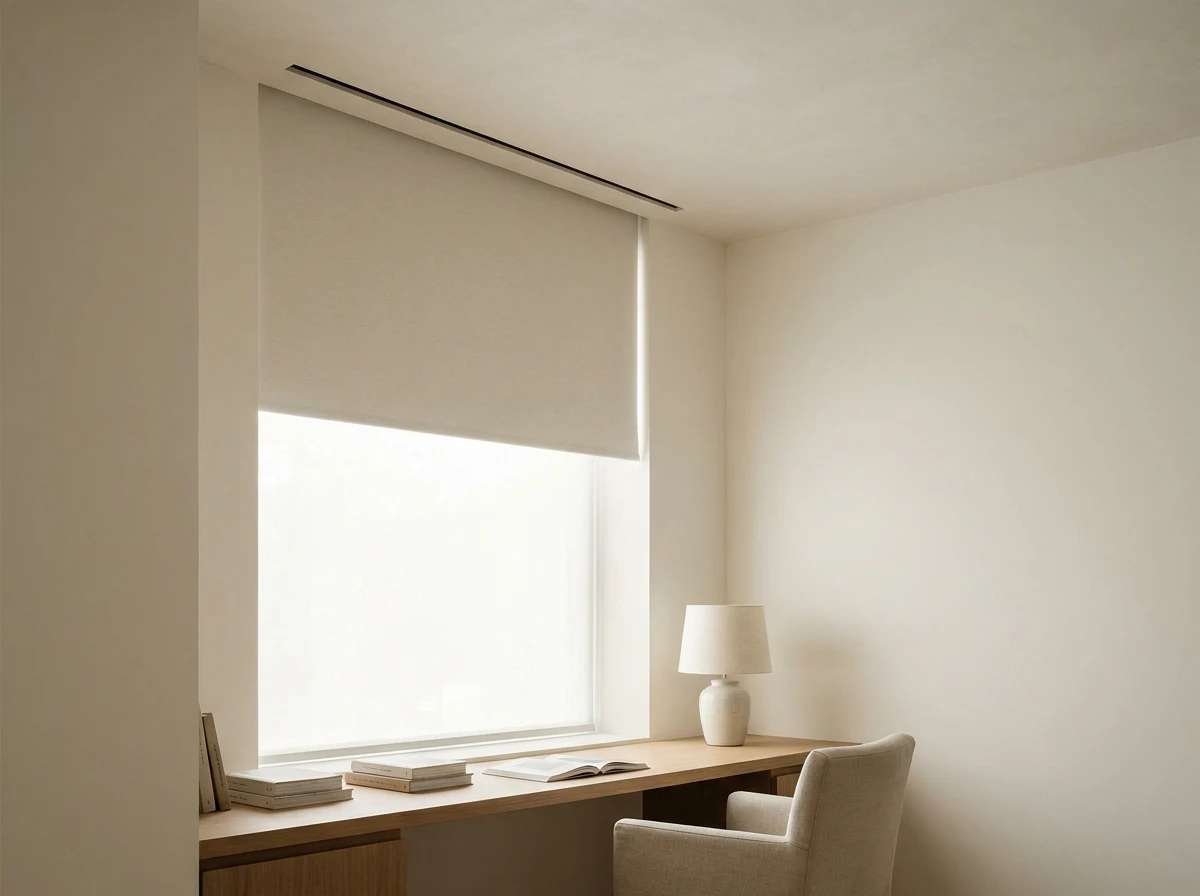
Group blinds by room, by elevation or by whole house, and a wall of glass moves as one.
Motorisation stops being a luxury the moment a window is out of reach. Double-volume glass, stairwell windows, high gables and anything mounted outside the building all fall into that category, and Sandhurst homes are full of them. A motor also solves the practical problem of a very large blind: nobody wants to haul four metres of blockout fabric by hand twice a day.
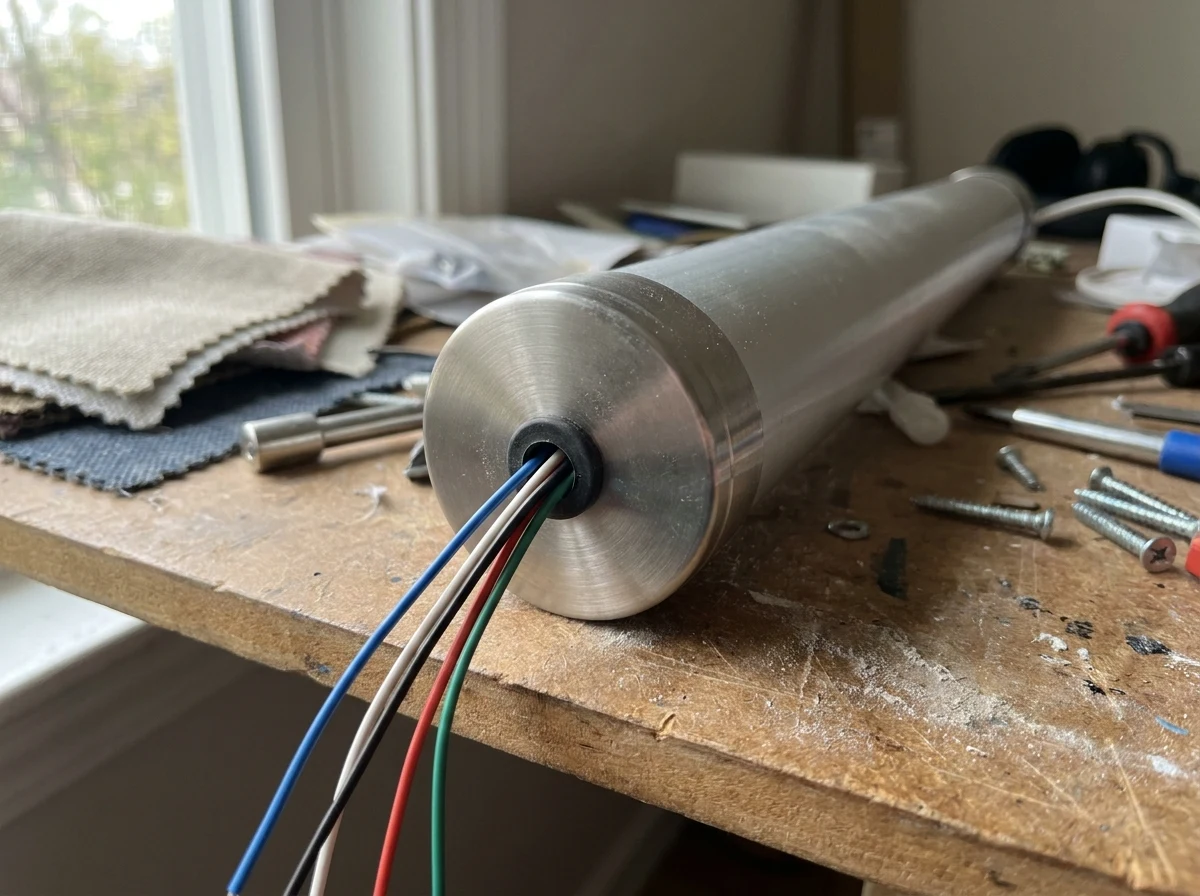
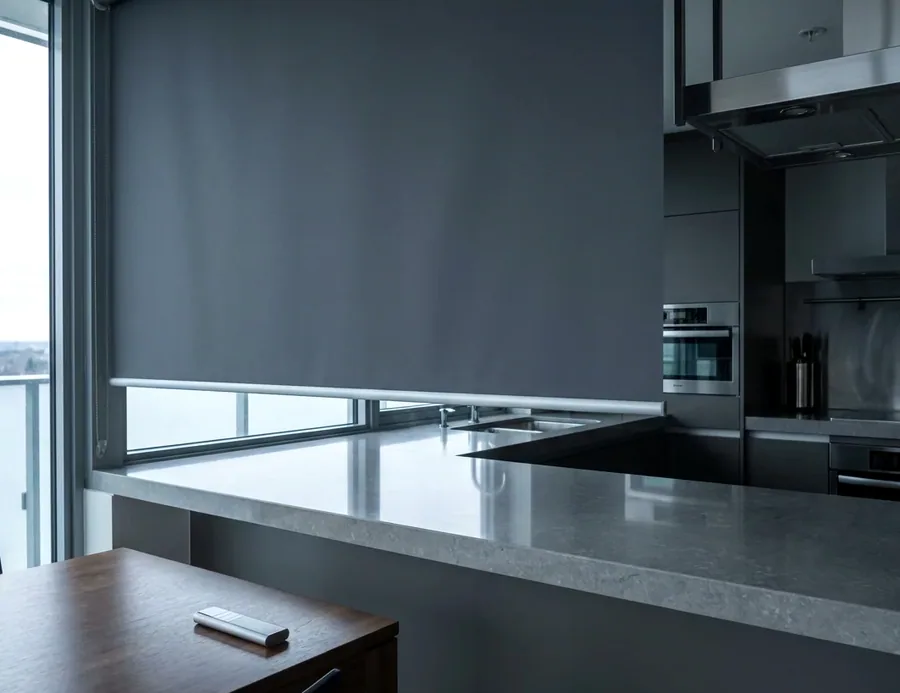
Motors are either mains-wired or rechargeable battery. Mains is the cleaner long-term answer when the walls are open; battery is what makes retrofitting possible in a finished house. Control runs through a handheld remote, a wall keypad, an app, or a schedule — and blinds group by room, by elevation or by the whole house, so a single press moves an entire wall of glass.
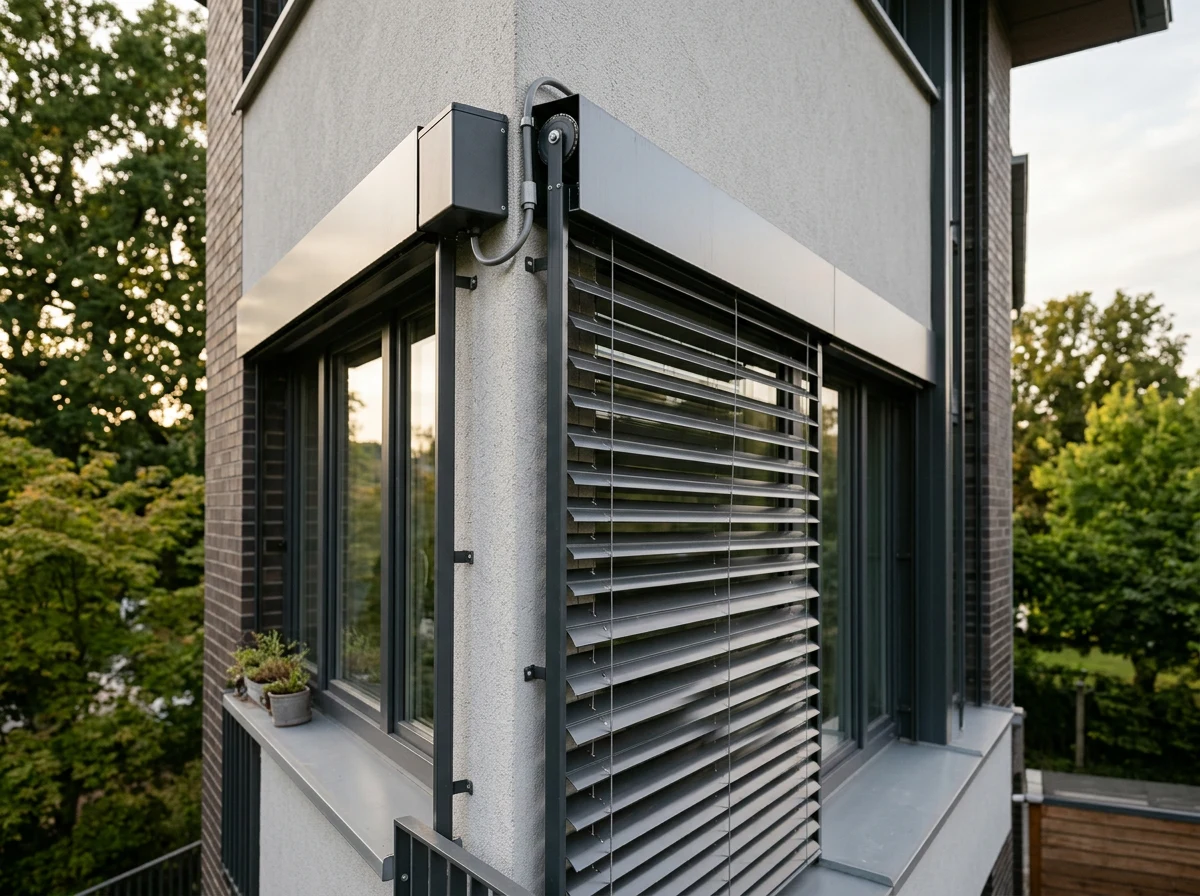
The automation worth having is the automation you forget about. A schedule that drops the west blinds at three in the afternoon in summer. A sun sensor that manages a hard elevation whether or not you are home. A wind sensor that retracts an awning or an exterior blind before a highveld storm reaches it. That last one is not a convenience — it is what keeps exterior products alive.
Practical notes
- Mains-wired or rechargeable battery motors; retrofit possible in finished homes.
- Remote, wall keypad, app and timer control; grouped by room or elevation.
- Sun and wind sensors for exterior blinds, awnings and roller shutters.
- Plan power positions at drawing stage where a concealed box is involved.
Where we fit this
Whole-house automation is one of our most requested upgrades, fitted across Sandhurst, Hyde Park, Atholl, Illovo, Dunkeld and Inanda alike.
What motorised shading costs in Sandhurst
Automation carries no flat rate, because the motor belongs to a blind, and the blind is where the price comes from. The full spread, fitted, is somewhere from R2,500 as far as R7,500 for each square metre. A motorised roller sits at R2,500 to R3,800 per square metre; a motorised day/night blind at R2,800 to R4,000; a motorised cellular blind at R3,000 to R4,800; a concealed system at R3,200 to R5,000; an external venetian at R4,500 to R6,500; a roller shutter at R5,000 to R7,000; a folding-arm awning at R5,500 to R7,500 per square metre of projection.
Each of those bands already includes the drive unit, the handset or app, and the commissioning visit. A minimum charge applies to small windows, and linking several blinds to one channel is quoted on the run rather than by the metre, always after the free measure and always in writing.
Often specified together